
Water Safety Ireland, Irish Coast Guard and RNLI Urge Caution Ahead of June Holiday Weekend

Wednesday 27 May 2026
Ahead of the June Bank Holiday weekend, Ireland’s key water safety agencies are urging the public to exercise caution when taking part in activities on or near the water, warning that cold water temperatures continue to pose a significant risk despite warmer weather conditions.
The joint appeal from the Irish Coast Guard, Water Safety Ireland and the RNLI comes as large numbers of people are expected to visit beaches, harbours, lakes and inland waterways over the holiday period, with many taking their first swim of the season.
The organisations warned that while air temperatures may feel summery, sea and inland water temperatures remain below 15°C in many areas, cold enough to trigger cold water shock. The condition can cause involuntary gasping, panic and loss of breathing control, significantly increasing the risk of drowning.
Water safety officials are advising swimmers and recreational water users to enter the water gradually, allowing the body time to acclimatise. They also recommend keeping swims short, staying within one’s depth and never entering the water alone.
“Even on warm and sunny days, cold water can have a sudden and dangerous impact on the body,” the agencies said, adding that swimmers should always remain together and ensure everyone exits the water safely.
Those planning boating, kayaking, paddleboarding or other water-based activities are also being reminded to check weather forecasts and tidal conditions before heading out. Carrying a fully charged mobile phone or another means of communication, such as a marine VHF radio, is strongly advised.
The agencies also stressed the importance of wearing a properly fitted and serviced lifejacket or buoyancy aid at all times on the water, while warning against alcohol consumption, which can impair judgement, coordination and reaction times.
Members of the public are encouraged to inform someone ashore of their plans and expected return time before taking to the water.
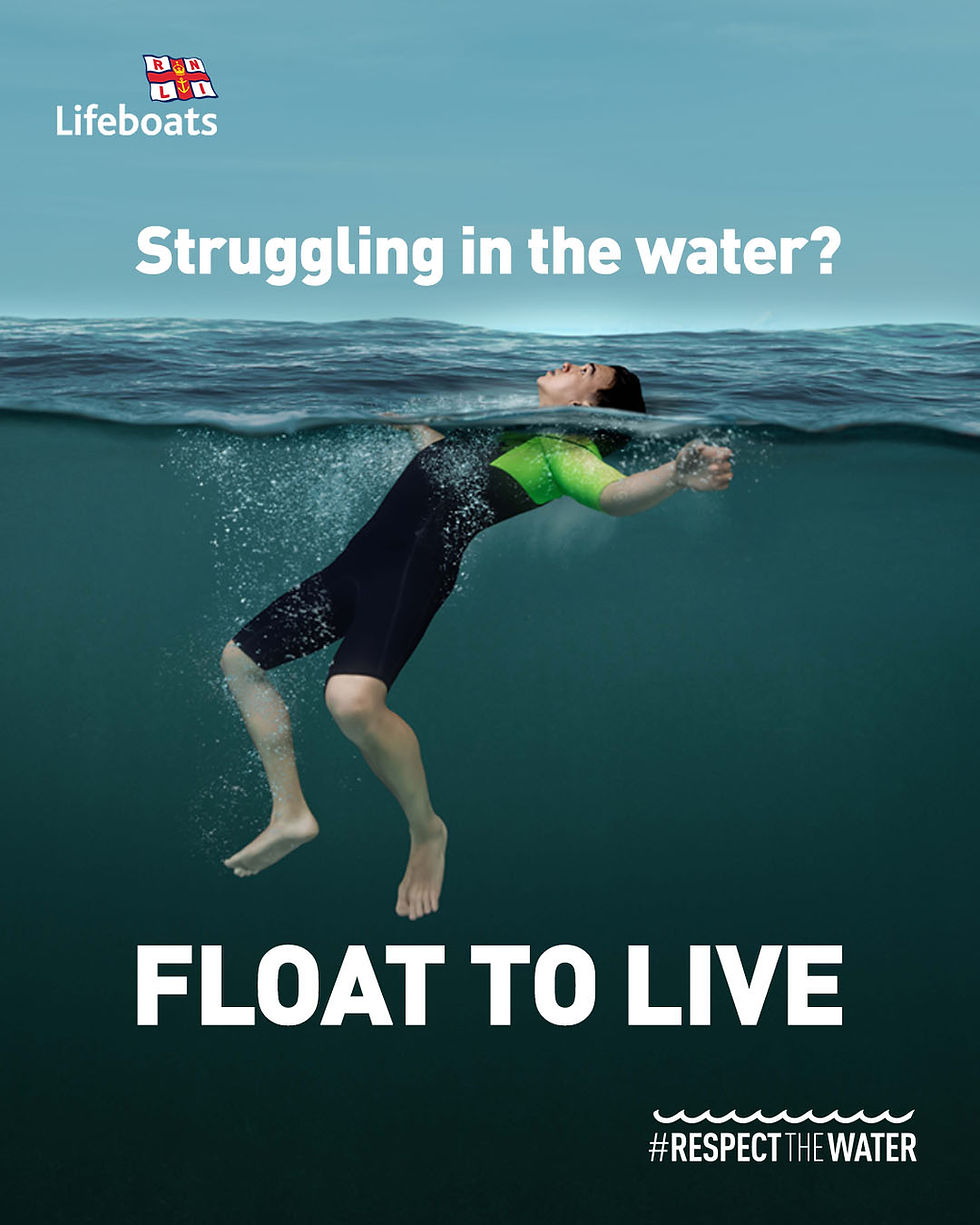
In the event of an accidental entry into the water or if someone gets into difficulty, the organisations are promoting the “Float to Live” survival technique. The advice includes remaining calm, tilting the head back with ears submerged, controlling breathing and gently moving hands and feet to stay afloat until help arrives or it is possible to swim to safety.
Anyone who spots a person in trouble on the coast or water is urged to contact emergency services immediately by using marine VHF Channel 16 or calling 999 or 112 and asking for the Coast Guard.


